
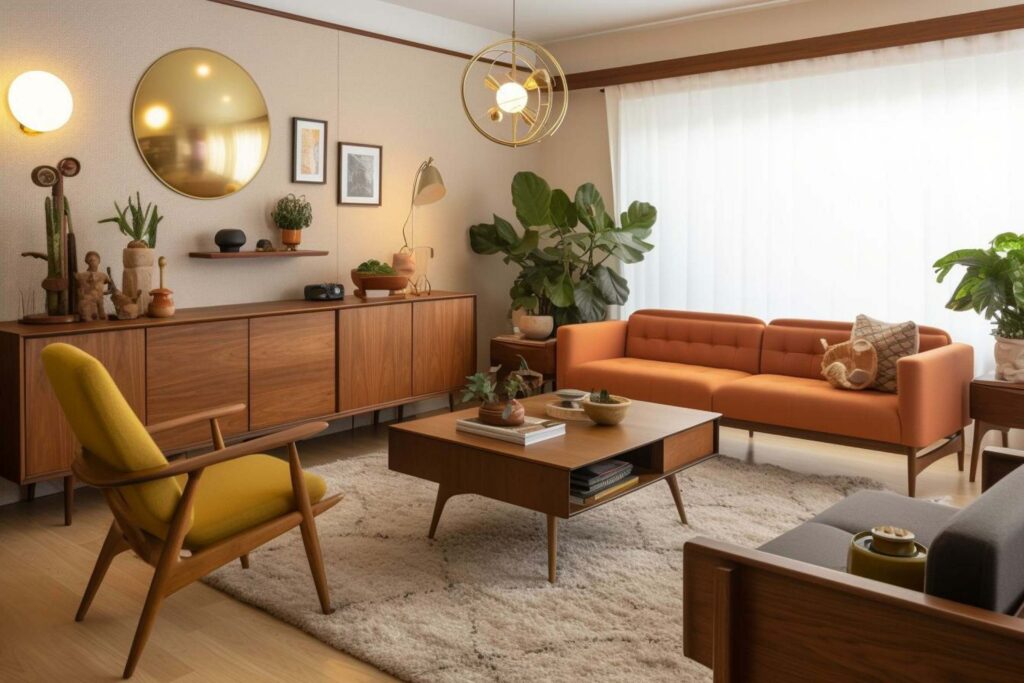
Traditional interior design is a style that exudes sophistication, elegance, and timeless beauty. Rooted in European decor from the 18th and 19th centuries, it incorporates rich, ornate details and refined craftsmanship that bring a sense of history and grandeur to any space. Traditional design is known for its formal atmosphere, intricate decorative elements, and warm colour palettes that together create a welcoming, classic aesthetic.
Traditional interior design offers a classic and elegant approach to home décor, incorporating rich details, ornate furnishings, and a warm colour palette to create spaces that feel both formal and inviting. With its emphasis on timeless beauty and refined craftsmanship, traditional design remains a popular choice for those who appreciate sophistication, comfort, and a sense of history. Whether you’re decorating a stately home or creating a cosy yet elegant living space, traditional design is a style that brings enduring grace and charm.
Ornate Detailing and Craftsmanship
One of the defining features of traditional interior design is the use of intricate mouldings, detailed woodwork, and other decorative elements. Crown mouldings, wainscoting, and coffered ceilings are often employed to add depth and dimension to walls and ceilings, reflecting the craftsmanship of a bygone era. These details bring a sense of grandeur and elegance, creating a polished and stately ambiance in the space.
Furniture in traditional design is similarly ornate, often featuring carved wood frames, turned legs, and delicate inlays. Pieces are typically handcrafted with attention to detail, showcasing a level of artistry and quality that complements the overall aesthetic of the room.
Decorative Patterns and Textiles
Traditional interiors are rich in patterns and textures. Floral, damask, and paisley patterns are commonly seen in upholstery, draperies, and wallpaper, adding a sense of luxury and refinement. These patterns are often layered, with fabrics like silk, velvet, and brocade used to create a sumptuous and inviting atmosphere. Decorative throw pillows, curtains with tassels, and fringed details also contribute to the opulent feel of traditional design.
Area rugs, particularly Persian or Oriental styles, are key elements in traditional interiors, bringing colour and intricate patterns to the floor while adding warmth and comfort to the space.
Refined Furniture Pieces
Furniture in traditional design is elegant, well-crafted, and typically larger in scale. Pieces such as upholstered armchairs, wingback chairs, and Chesterfield sofas are commonly used to create a sense of formality and comfort. Dark wood finishes like mahogany, walnut, and cherry are preferred, and the furniture often features polished surfaces and carved detailing. The arrangement of furniture is symmetrical and balanced, reinforcing the orderly, formal nature of traditional design.
Case goods, such as china cabinets, sideboards, and display cabinets, are also staples of this style, often featuring glass doors and intricate hardware to showcase fine china, crystal, and other decorative objects.
Warm and Earthy Color Palette
Traditional interiors are known for their warm, earthy colour palettes. Rich shades of burgundy, deep greens, golden yellows, and warm browns are frequently used to create a cosy, inviting ambiance. These warm tones are complemented by neutral background colours, such as cream, beige, and taupe, which provide a soft backdrop for the bolder hues. The use of warm colours helps to create a sense of intimacy and comfort, enhancing the formality of the space without making it feel cold or unwelcoming.
Formal and Timeless Ambiance
The overall ambiance of traditional interior design is formal yet inviting. Rooms are arranged in a way that promotes symmetry and balance, with furniture grouped to encourage conversation and interaction. Formal dining rooms, sitting rooms, and parlours are often included in traditional homes, reflecting a lifestyle centred around entertaining and family gatherings.
This style also incorporates classical art, framed portraits, and antiques, which contribute to the sense of history and continuity. Chandeliers, sconces, and lamps with ornate bases are used for lighting, adding to the formal and luxurious atmosphere.
Timeless Appeal
Traditional design is often considered timeless because it draws on classic principles that never go out of style. The combination of quality materials, refined craftsmanship, and elegant details ensures that traditional interiors remain relevant and sophisticated over time. While trends may come and go, the enduring charm of traditional design lies in its ability to create spaces that feel grounded in history yet adaptable to modern life.

Inweaver Technologies Pvt. Ltd,
5B, 2nd Floor, 10th Cross, RMV Extension, Sadhashivanagar,
Bangalore 560080. India
support@inweaver.com
Phone +91 63633 87505