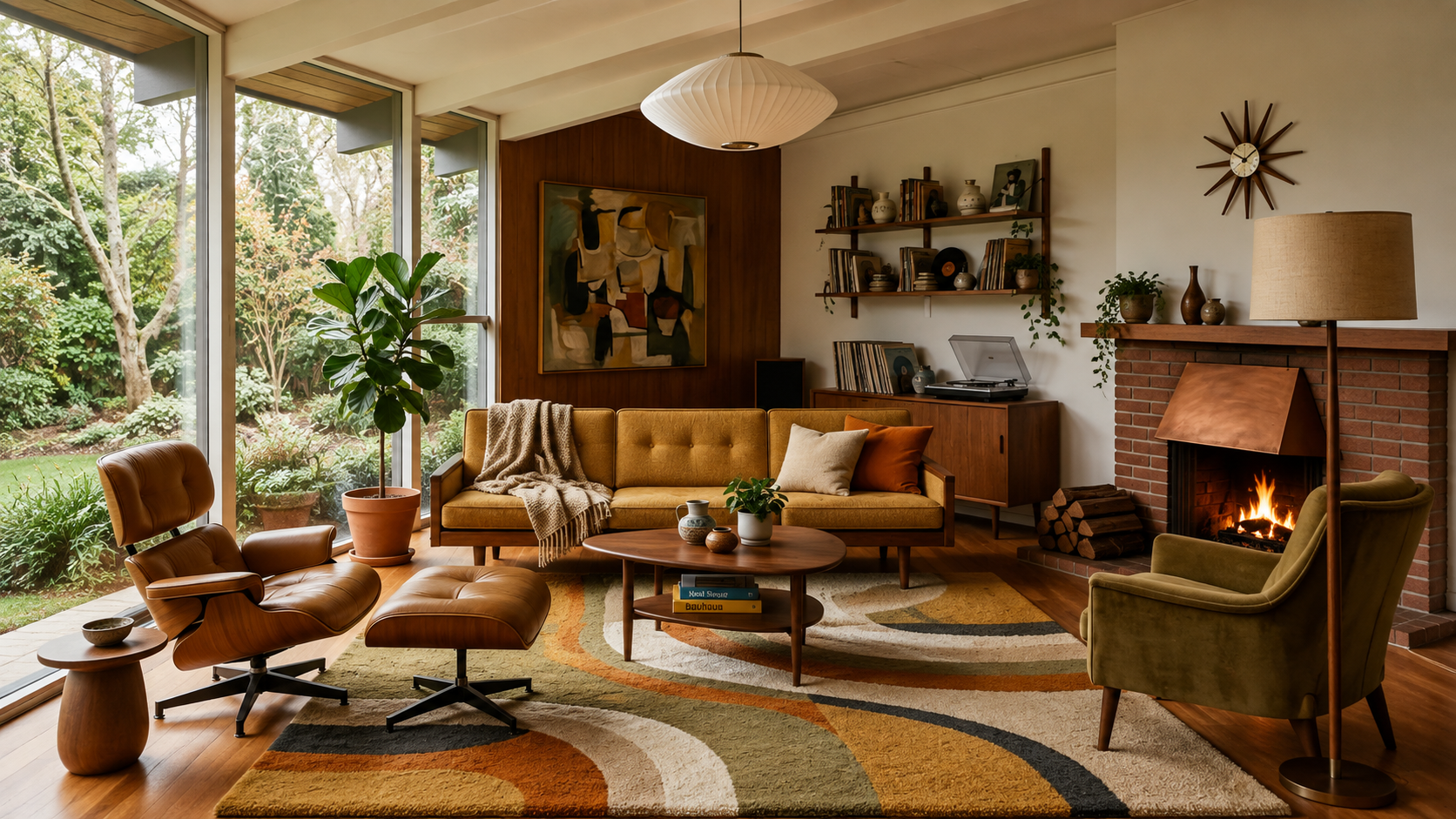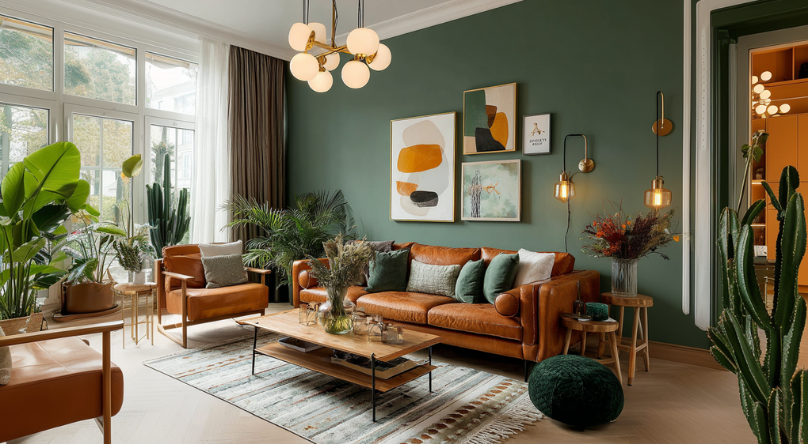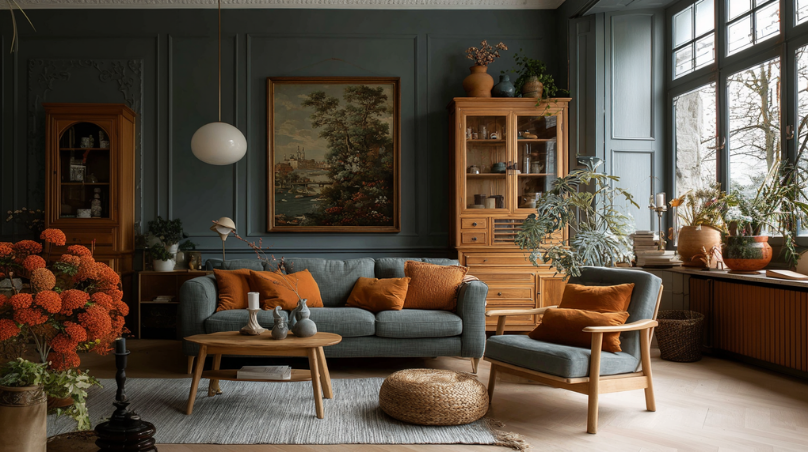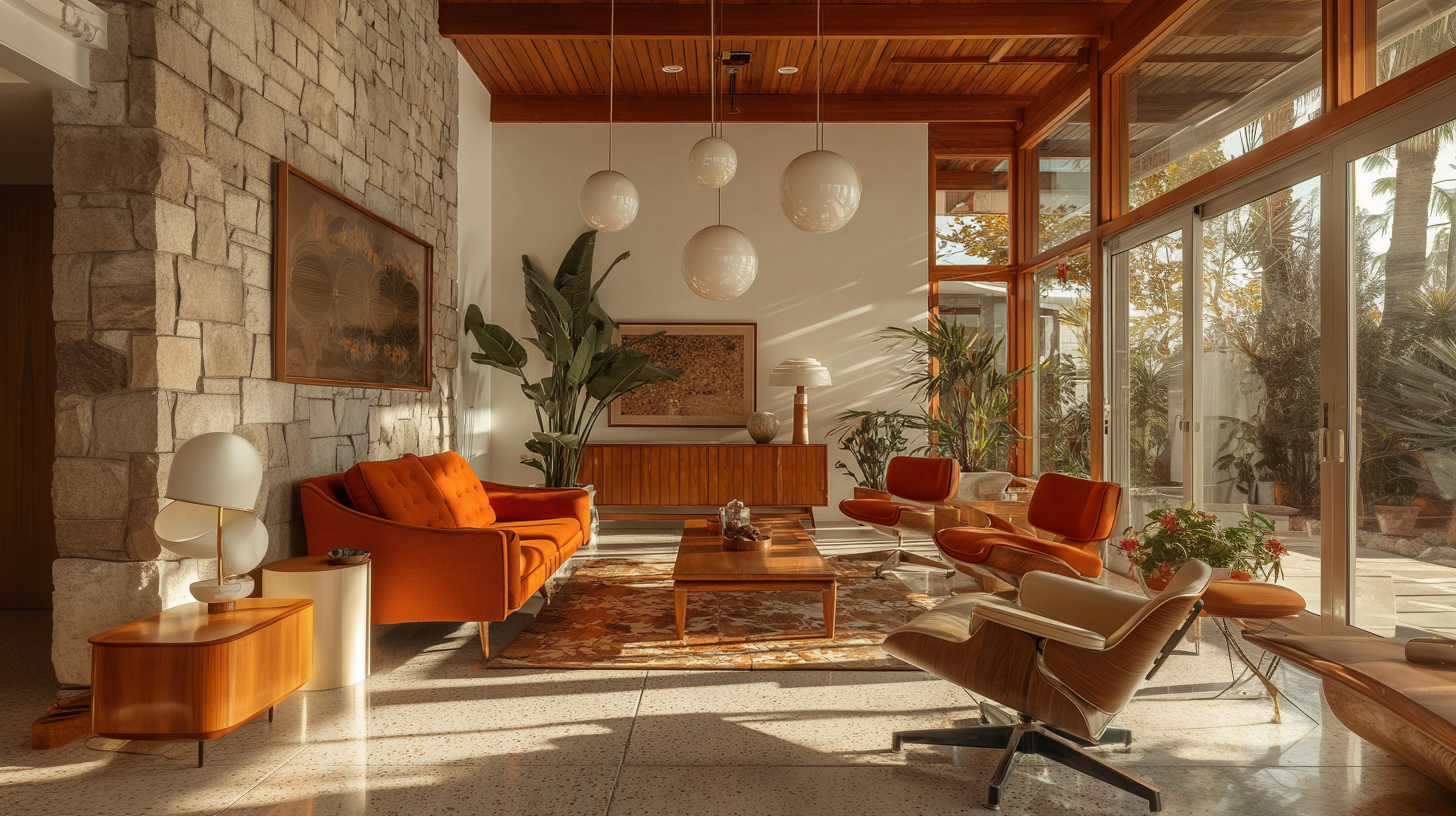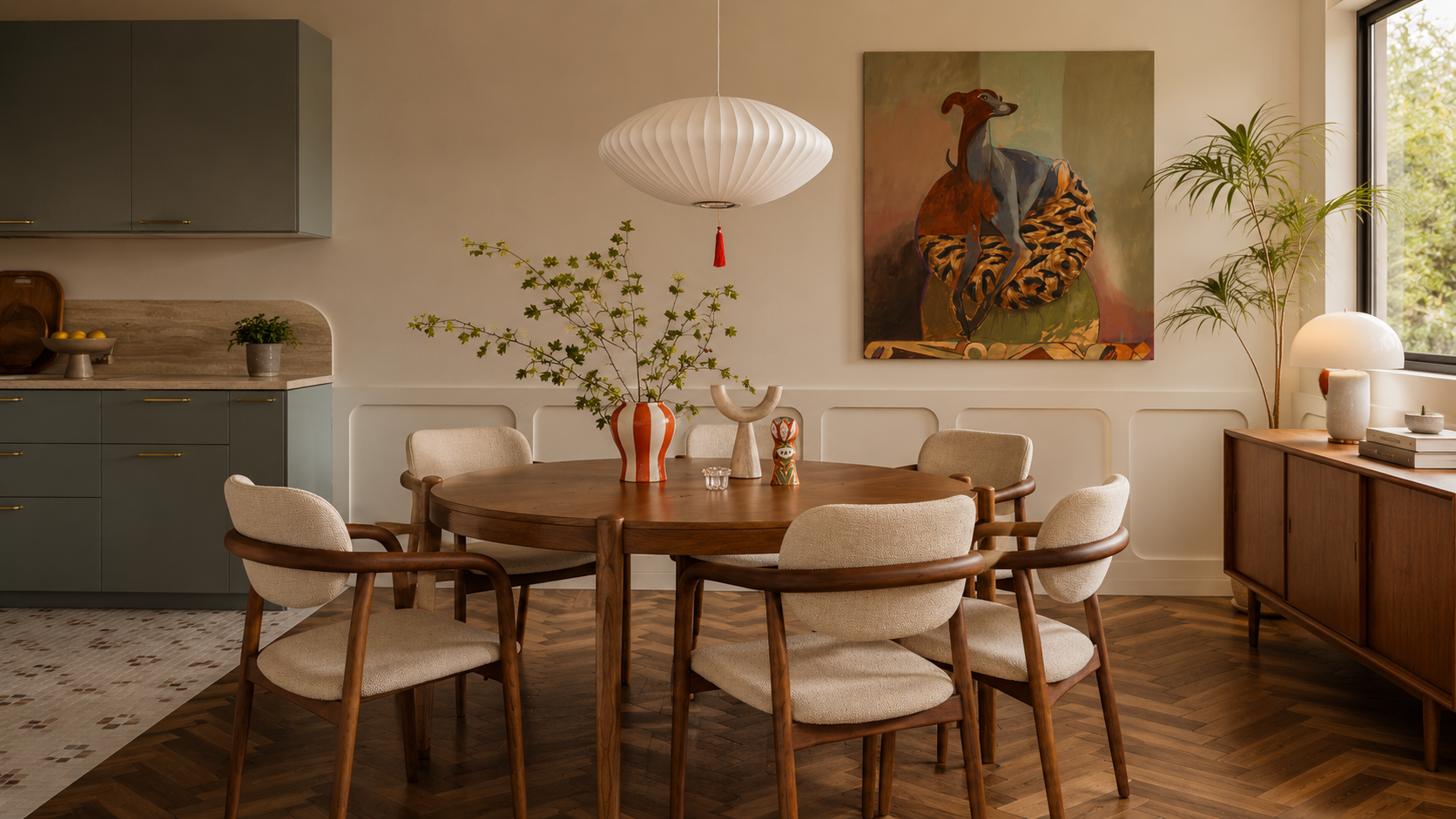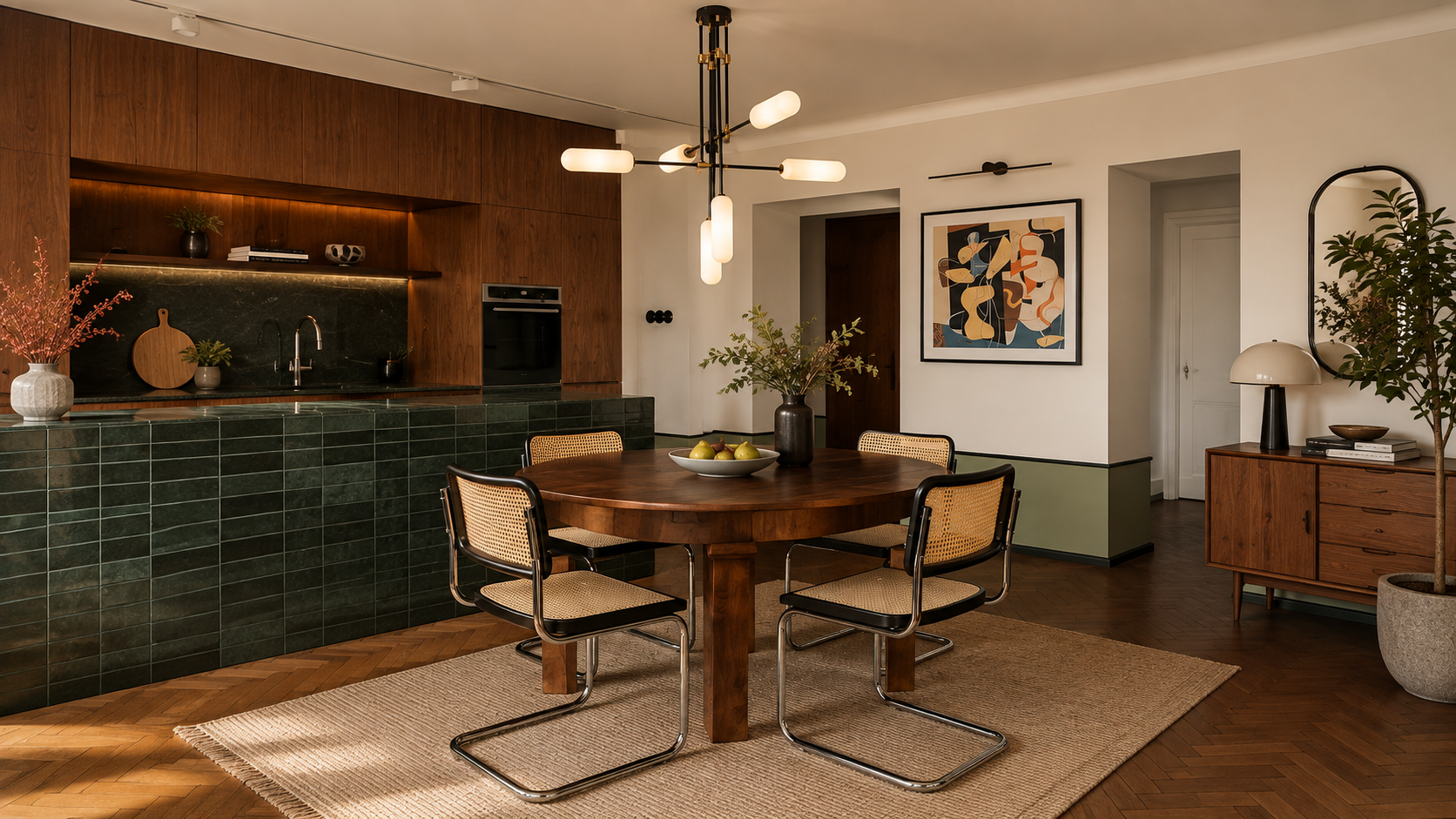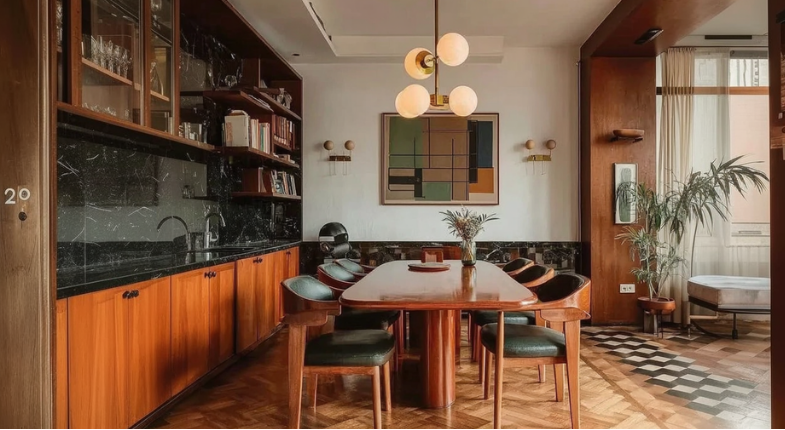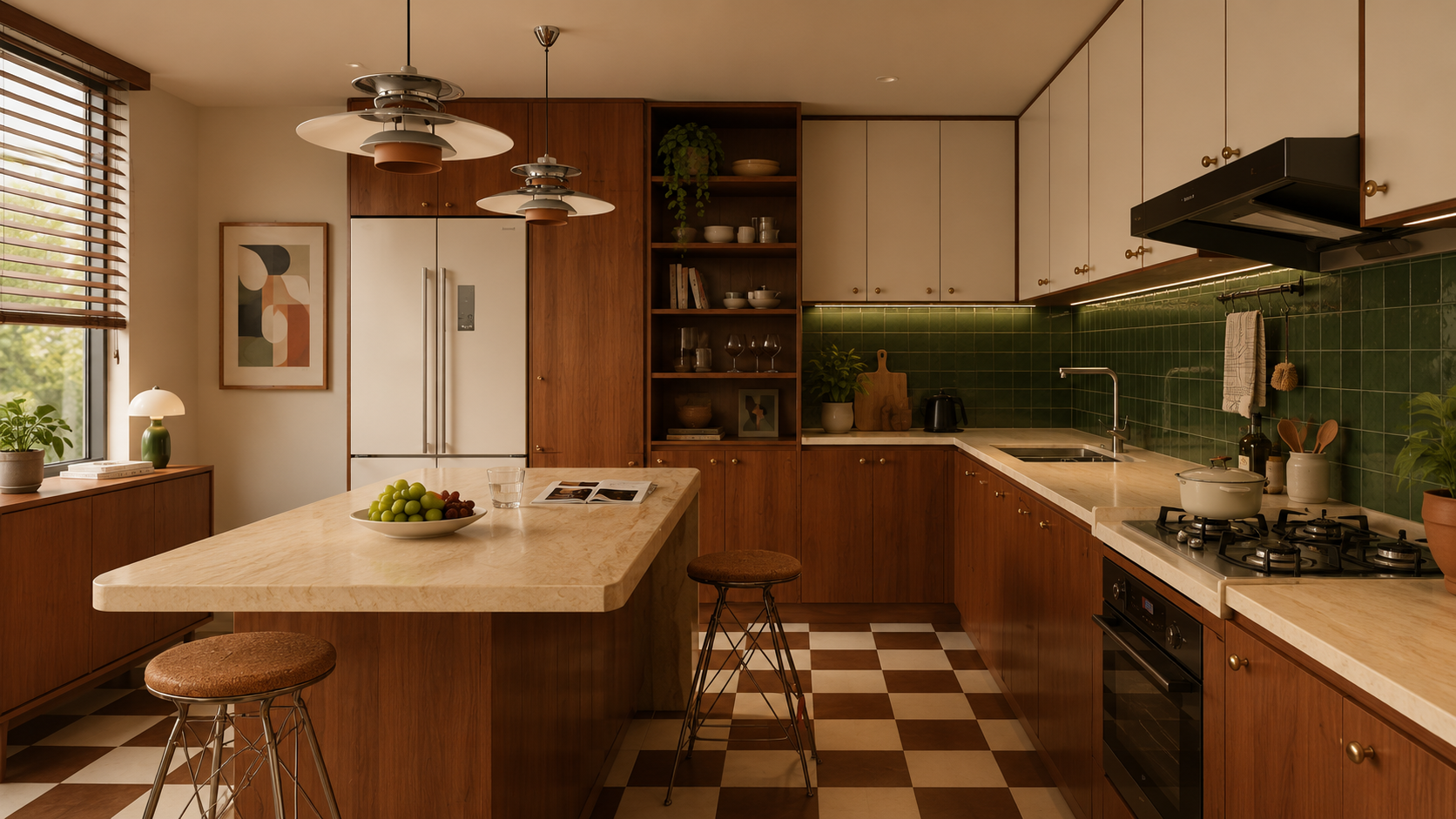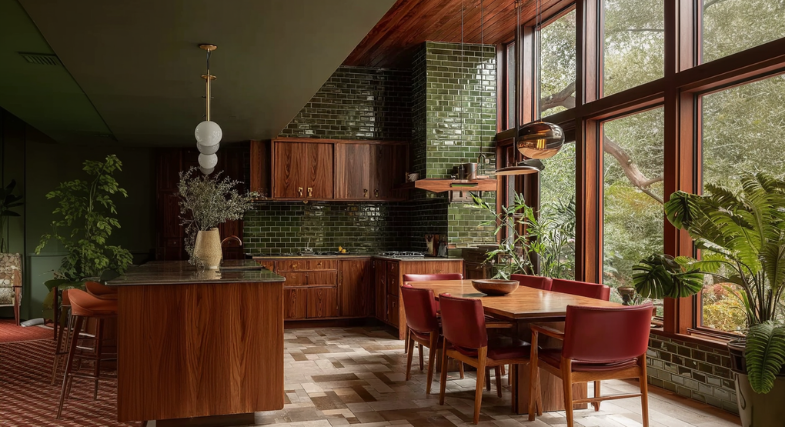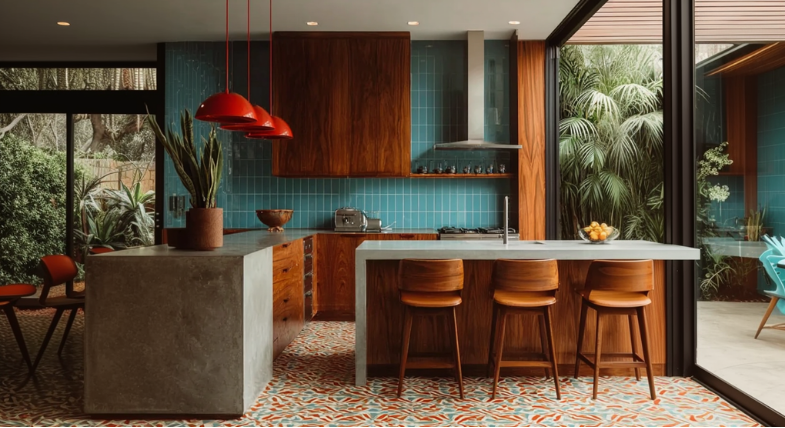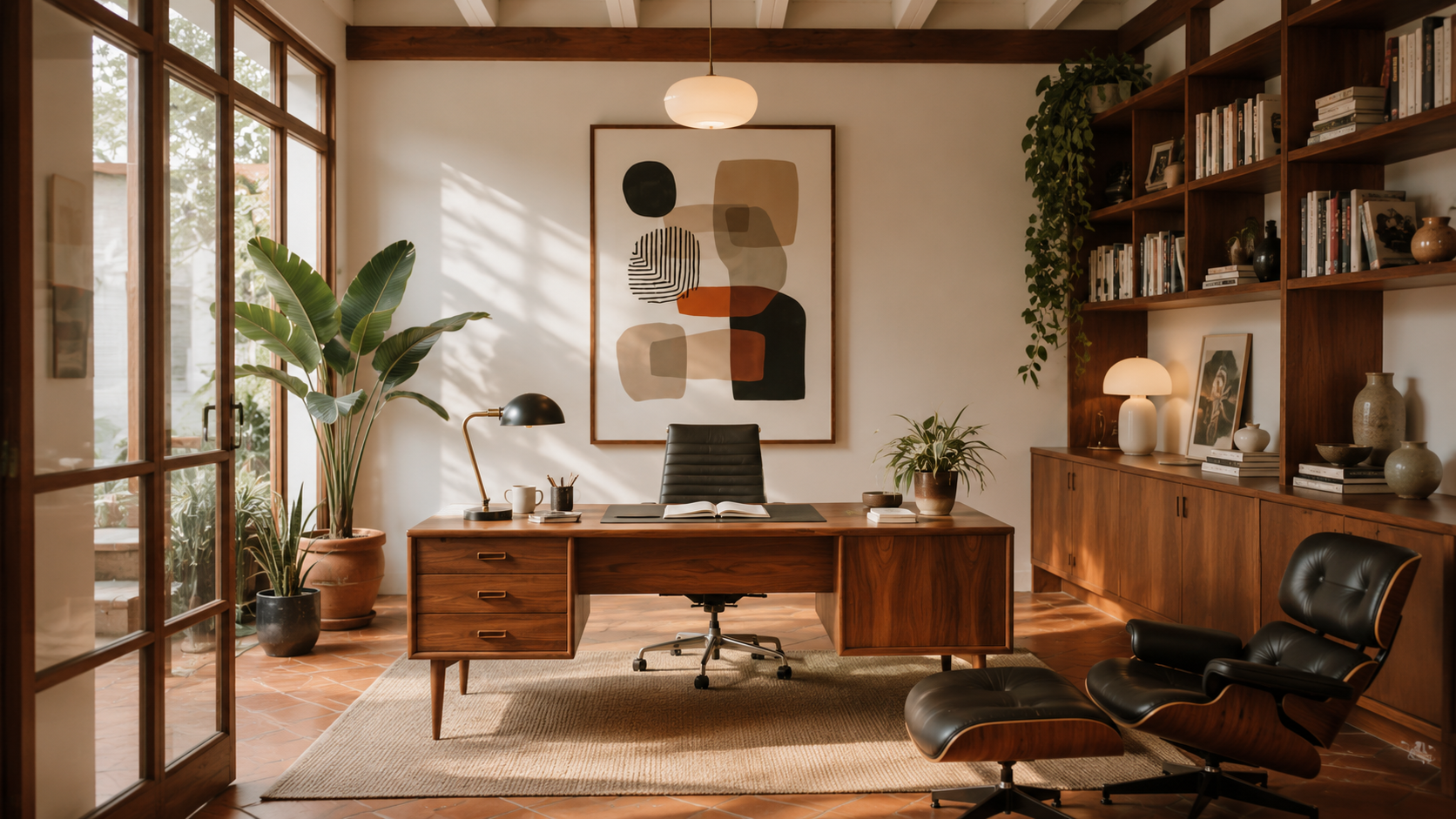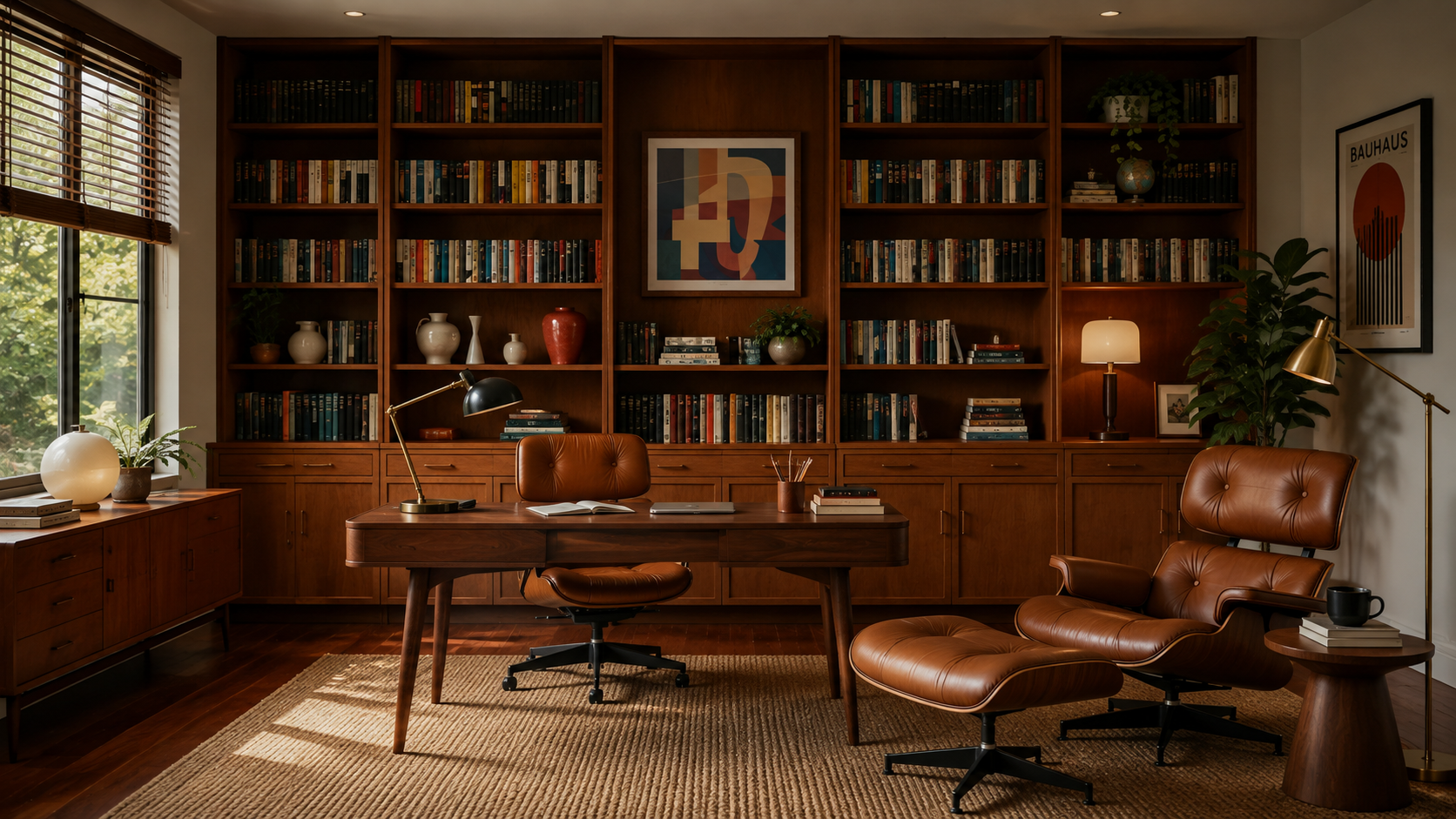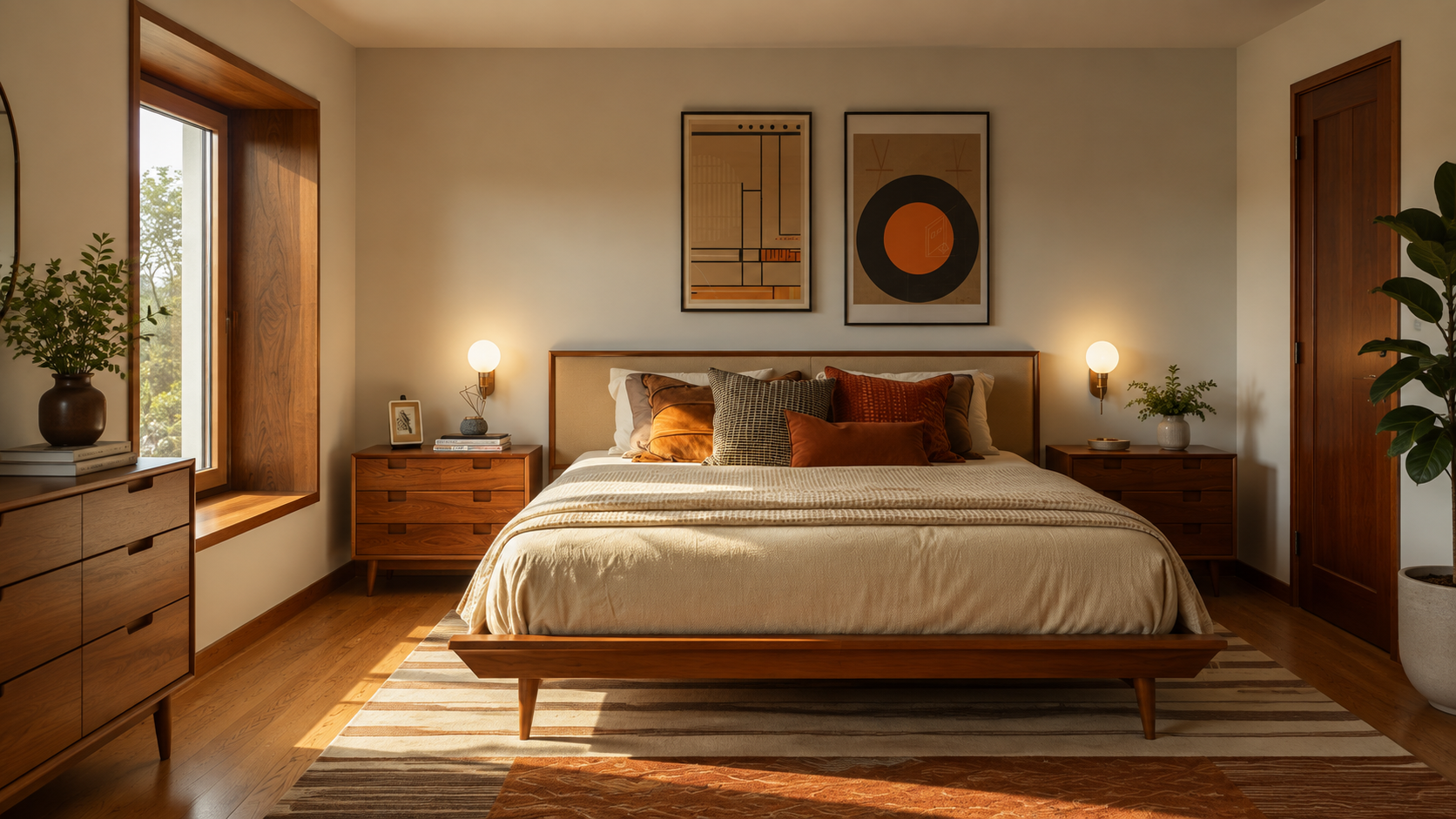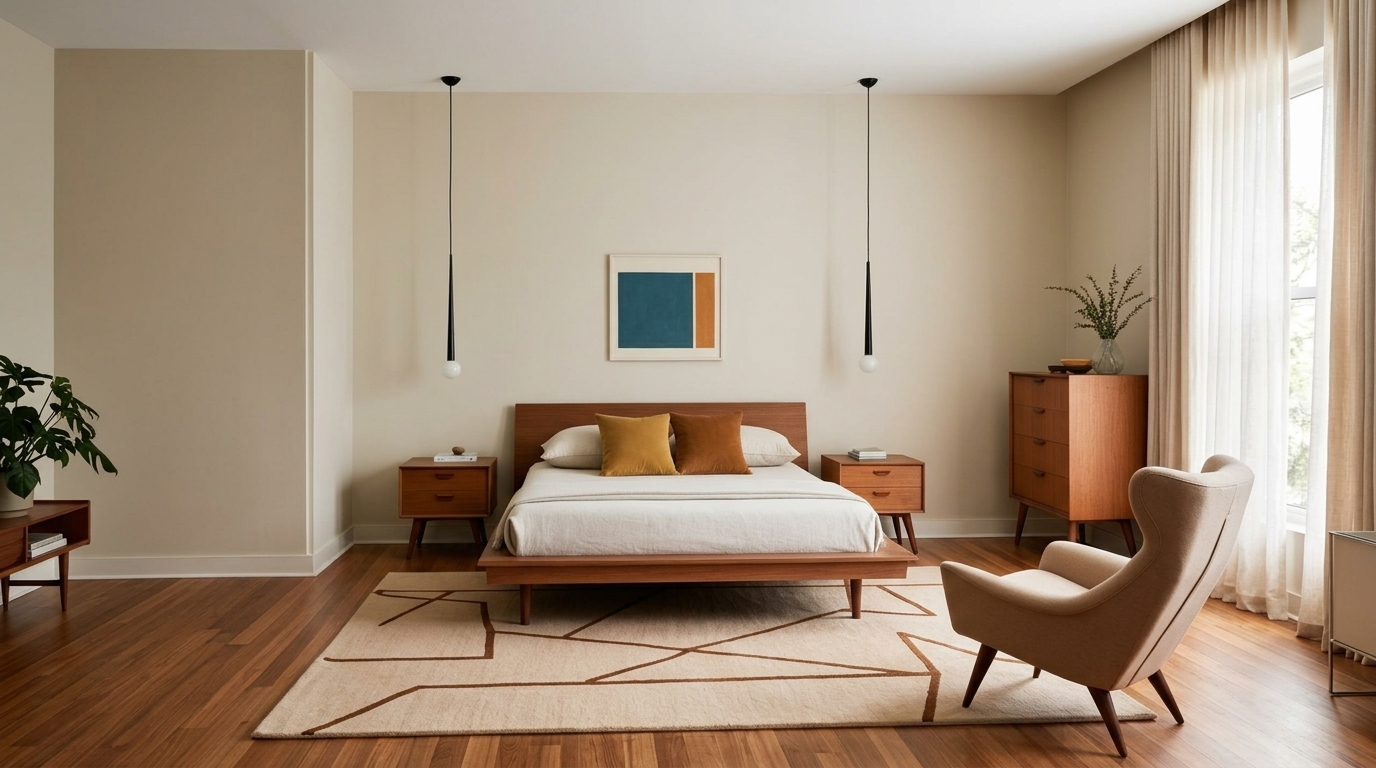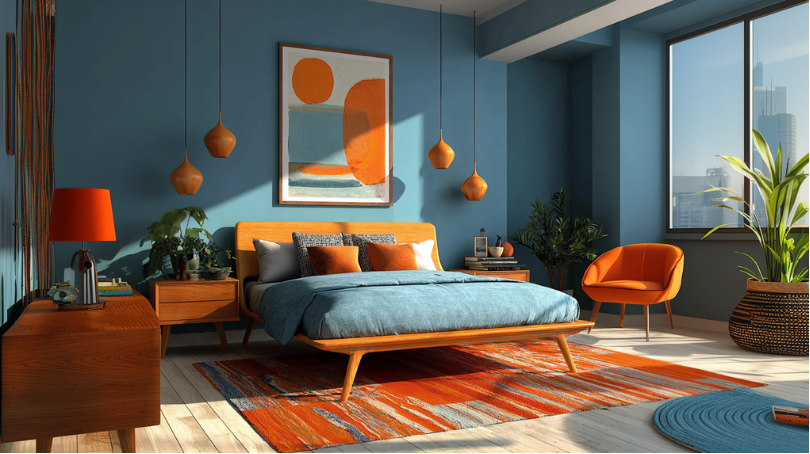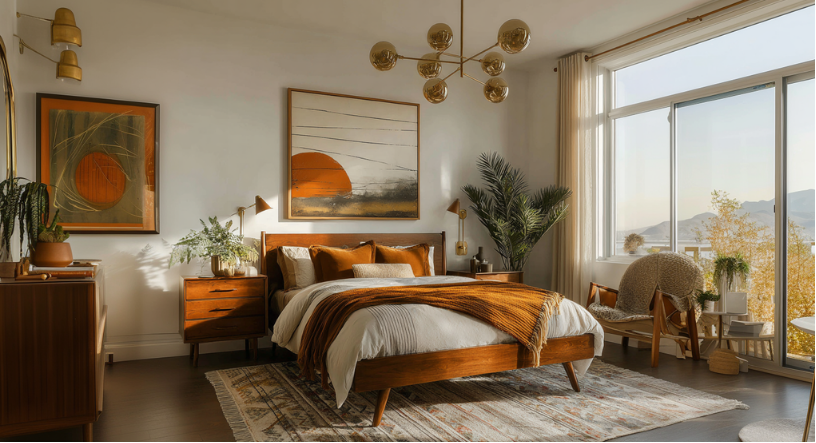
Mid-century modern design is more than just a trend; it’s a style that has cemented its place in the interior design world for decades. Rooted in the mid-20th century, primarily the 1940s to the 1960s, this design aesthetic is known for its sleek, minimalist approach, organic shapes, and bold use of colour. It’s a style that embraces functionality, form, and simplicity while creating timeless interiors that feel just as relevant today as they did decades ago.
Key Features of Mid-Century Modern Design
Mid-century modern interiors are unmistakable, thanks to their distinct characteristics that celebrate a minimalist yet warm and inviting aesthetic. Here are some key elements:
Clean lines
One of the hallmarks of mid-century modern design is its emphasis on clean, uncluttered lines. Furniture and architectural elements have a streamlined look, with straight or slightly curved edges, allowing the focus to be on the form and function.
Organic shapes
Taking inspiration from nature, mid-century modern design often incorporates organic, flowing shapes. Furniture with rounded edges, sculptural designs, and soft curves adds a sense of ease and fluidity to the space.
Tapered legs
A defining feature of mid-century modern furniture is the tapered, slender legs, often seen on chairs, sofas, and tables. These legs, usually made of wood, give the furniture a light and airy feel while maintaining structural stability.
Bold colours
While the overall aesthetic of mid-century modern design may lean towards simplicity, it’s anything but boring. Bold, contrasting colours like mustard yellow, teal, burnt orange, and olive green are often used to add vibrancy. These hues are typically paired with more neutral tones like white, grey, and wood finishes, creating balance in the space.
Iconic Furniture and Designers
Mid-century modern interiors often feature **iconic furniture designs** that have become timeless staples in homes across the world. Some of the most renowned designers of this era include Charles and Ray Eames, Eero Saarinen, and George Nelson, whose work is still highly sought after today.
Eames Lounge Chair
Designed by Charles and Ray Eames, this chair is a regular item in mid-century modern furniture. With its ergonomic design and luxurious materials, the Eames Lounge Chair offers both comfort and style, perfectly encapsulating the essence of the movement.
Saarinen’s Tulip Table
With its pedestal base and smooth, rounded top, is another mid-century icon. Its sleek, sculptural design eliminates the need for legs at the table’s edge, giving it a futuristic yet organic feel.
Noguchi Coffee Table
Designed by Isamu Noguchi, this coffee table is an example of mid-century modernism’s focus on form and function. The table’s glass top rests on two curved wooden supports that seem to effortlessly balance each other, creating a sculptural piece that’s both functional and artistic.
Materials in Mid-Century Modern Interiors
Materials play a crucial role in mid-century modern design. While natural wood, especially teak and walnut, is widely used, there’s also a focus on innovative materials that were emerging during the mid-20th century, such as fibreglass, plastic, and metal. These materials allowed designers to experiment with new forms, pushing the boundaries of traditional furniture design.
Balancing Minimalism and Warmth
Although mid-century modern design is characterised by minimalism, it never feels cold or sterile. Instead, it strikes a balance between simplicity and warmth by incorporating natural materials, organic shapes, and a carefully curated use of colour. The result is a style that feels inviting, functional, and uncluttered, making it perfect for modern living.
Conclusion
Mid-century modern interior design is the epitome of timeless style. With its emphasis on clean lines, organic shapes, bold colours, and iconic furniture, it offers a sleek yet warm aesthetic that continues to inspire designers and homeowners alike. Whether you’re furnishing a new space or revamping an existing one, the enduring appeal of mid-century modern design ensures it will remain a beloved style for years to come.
Inweaver Technologies Pvt. Ltd,
5B, 2nd Floor, 10th Cross, RMV Extension, Sadhashivanagar,
Bangalore 560080. India
support@inweaver.com
Phone +91 63633 87505