
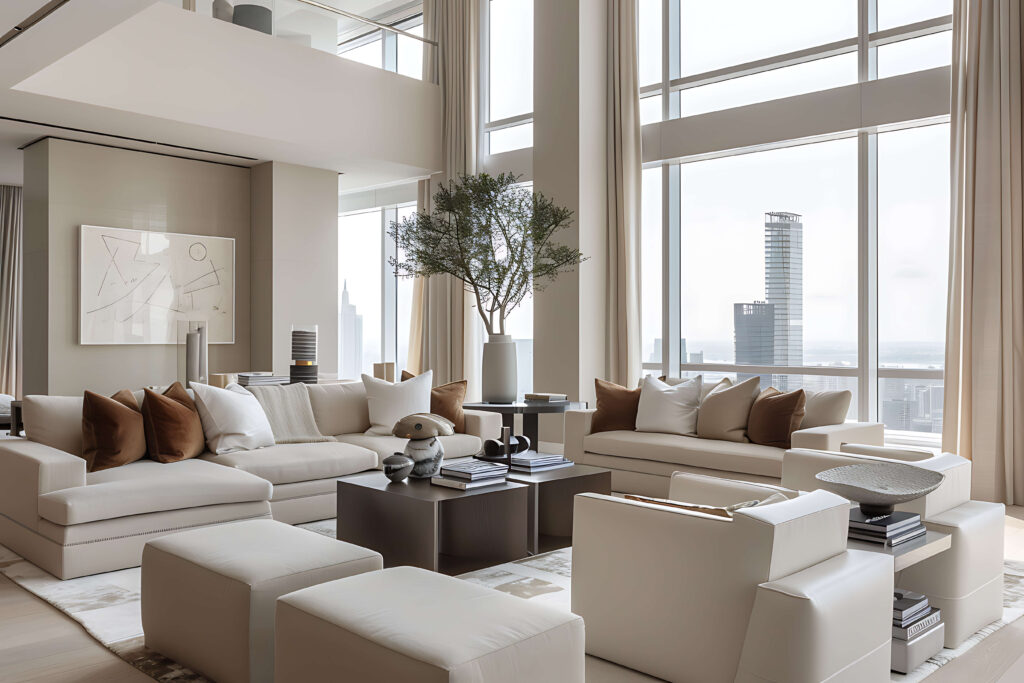
Zoning in Residential Space Planning: Creating Functional and Cohesive Environments
Introduction
Zoning is a crucial concept in residential space planning that involves dividing a home into distinct areas or zones based on their function and purpose. This strategic approach not only enhances the overall organisation of a living space but also improves the flow and usability of each area. This article explores the importance of zoning in residential design, key principles, and practical applications.
Understanding Zoning
Zoning in residential space planning refers to the deliberate arrangement of different functional areas within a home. By grouping similar activities together, zoning helps to create a harmonious environment that caters to the specific needs of the inhabitants. Key zones typically include:
Living Zones: Areas for social interaction and relaxation, such as living rooms, family rooms, and entertainment spaces.
Private Zones: Personal spaces that offer privacy, including bedrooms, bathrooms, and home offices.
Service Zones: Functional areas focused on utility and maintenance, such as kitchens, laundry rooms, and storage spaces.
Benefits of Zoning
Enhanced Functionality: Zoning allows for efficient use of space by grouping related activities together. For example, placing the kitchen near the dining area streamlines meal preparation and serving.
Improved Flow: Well-defined zones create clear pathways and minimise disruptions between different activities. This enhances the overall experience within the home, making it easier to navigate.
Increased Privacy: Zoning helps to separate public and private areas, providing a sense of tranquillity in personal spaces. This is particularly important in multi-generational households or shared living arrangements.
Tailored Experiences: By creating designated zones, homeowners can tailor each area to specific activities, such as a cosy reading nook in the living room or a dedicated workspace in a home office.
Principles of Effective Zoning
Functionality First: Start by identifying the primary functions each area of the home will serve. Consider the needs of all residents and how they interact with each space.
Consider Traffic Flow: Analyse how people move through the home. Ensure that high-traffic areas are unobstructed and that transitions between zones are seamless.
Use of Barriers and Transitions: Physical barriers like walls, furniture arrangements, and changes in flooring can delineate zones. Open floor plans can still utilise area rugs or furniture layouts to create defined spaces.
Lighting and Colour Schemes: Different zones can be enhanced through varied lighting and colour palettes. For example, bright, energising colours in work zones can promote productivity, while softer tones in relaxation areas can create a calming atmosphere.
Flexibility and Adaptability: Design zones with flexibility in mind. Spaces that can serve multiple functions, such as a guest bedroom that doubles as a home office, can adapt to changing needs over time.
Practical Applications of Zoning
Open Floor Plans: In modern homes with open layouts, zoning can be achieved through strategic furniture placement, rugs, and lighting. For example, a sectional sofa can define a living area while still allowing for an open flow to the dining space.
Multi-Functional Rooms: Create versatile zones by designing rooms that serve multiple purposes. A guest room with a fold-out desk can function as a home office when needed.
Outdoor Integration: Extend zoning beyond the interior by creating outdoor living spaces that complement indoor zones. For instance, a patio can serve as an extension of the dining area, promoting outdoor dining and socialising.
Privacy Solutions: Use screens, plants, or furniture arrangements to create private zones within larger areas. This is particularly beneficial in homes with open floor plans or shared living spaces.
Conclusion
Zoning is an essential strategy in residential space planning that enhances functionality, flow, and overall livability. By thoughtfully dividing a home into distinct areas based on their purpose, designers can create cohesive environments that cater to the diverse needs of their inhabitants. Whether through open layouts or multi-functional spaces, effective zoning allows homeowners to enjoy a harmonious balance between social interaction and personal privacy, ultimately enriching their living experience.

Inweaver Technologies Pvt. Ltd,
5B, 2nd Floor, 10th Cross, RMV Extension, Sadhashivanagar,
Bangalore 560080. India
support@inweaver.com
Phone +91 63633 87505