The Japandi Interior Design Style: A Perfect Blend of Minimalism and Warmth
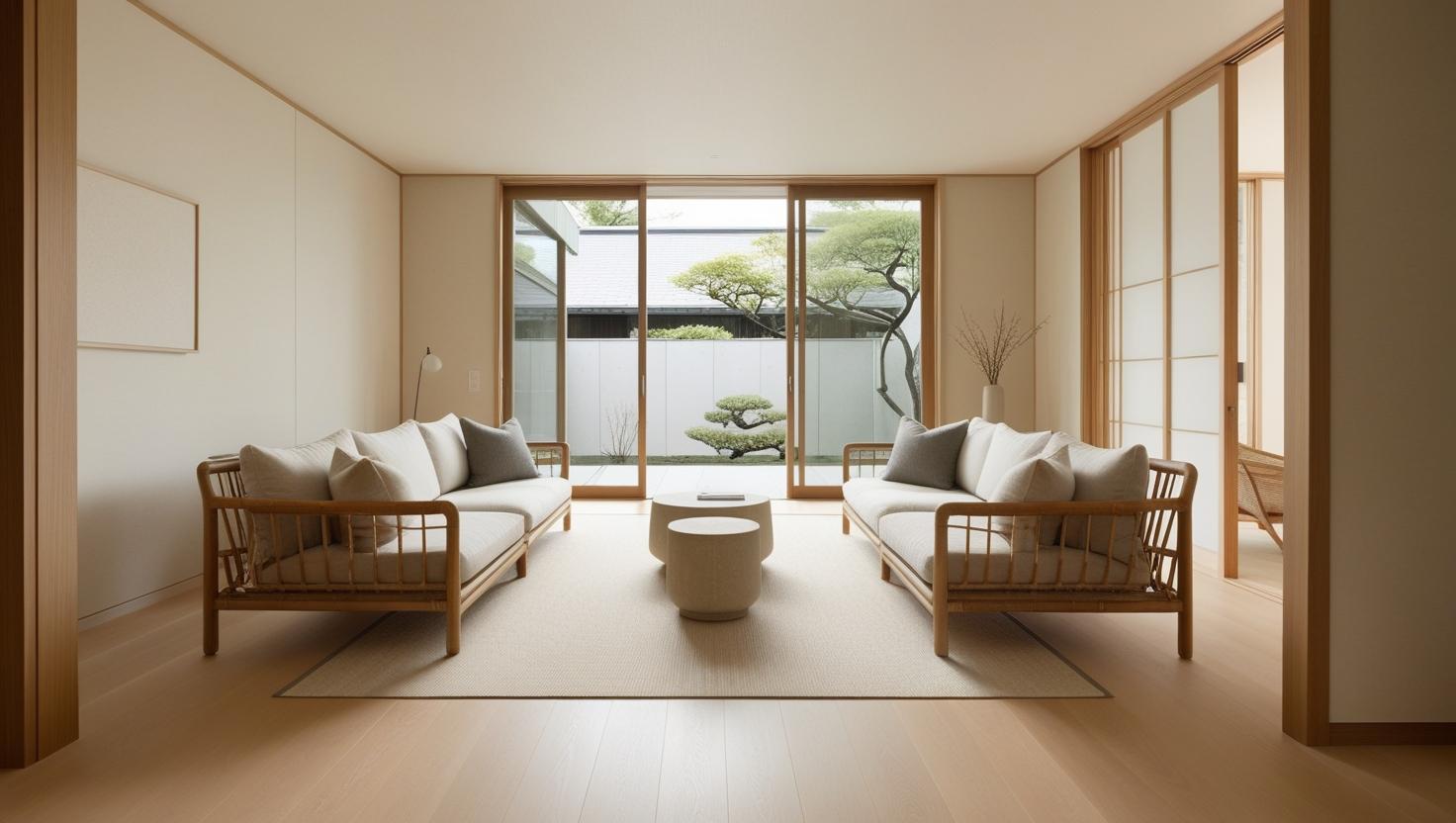
Japandi is an interior design style that merges the sleek, minimalist aesthetics of Japanese design with the warmth and rustic elements of Scandinavian design. This hybrid style is gaining popularity for its focus on simplicity, functionality, and tranquillity, creating a space that feels both calming and inviting.
Philosophy of Minimalism
At the heart of Japandi design is the principle of minimalism, deeply rooted in both Japanese and Scandinavian design traditions. In Japandi interiors, every element is intentional. The focus is on creating open, airy spaces free of clutter, where only essential and meaningful objects are displayed. This “less is more” approach brings a sense of calm and order to the space, making it ideal for modern living.
Natural Materials and Organic Textures
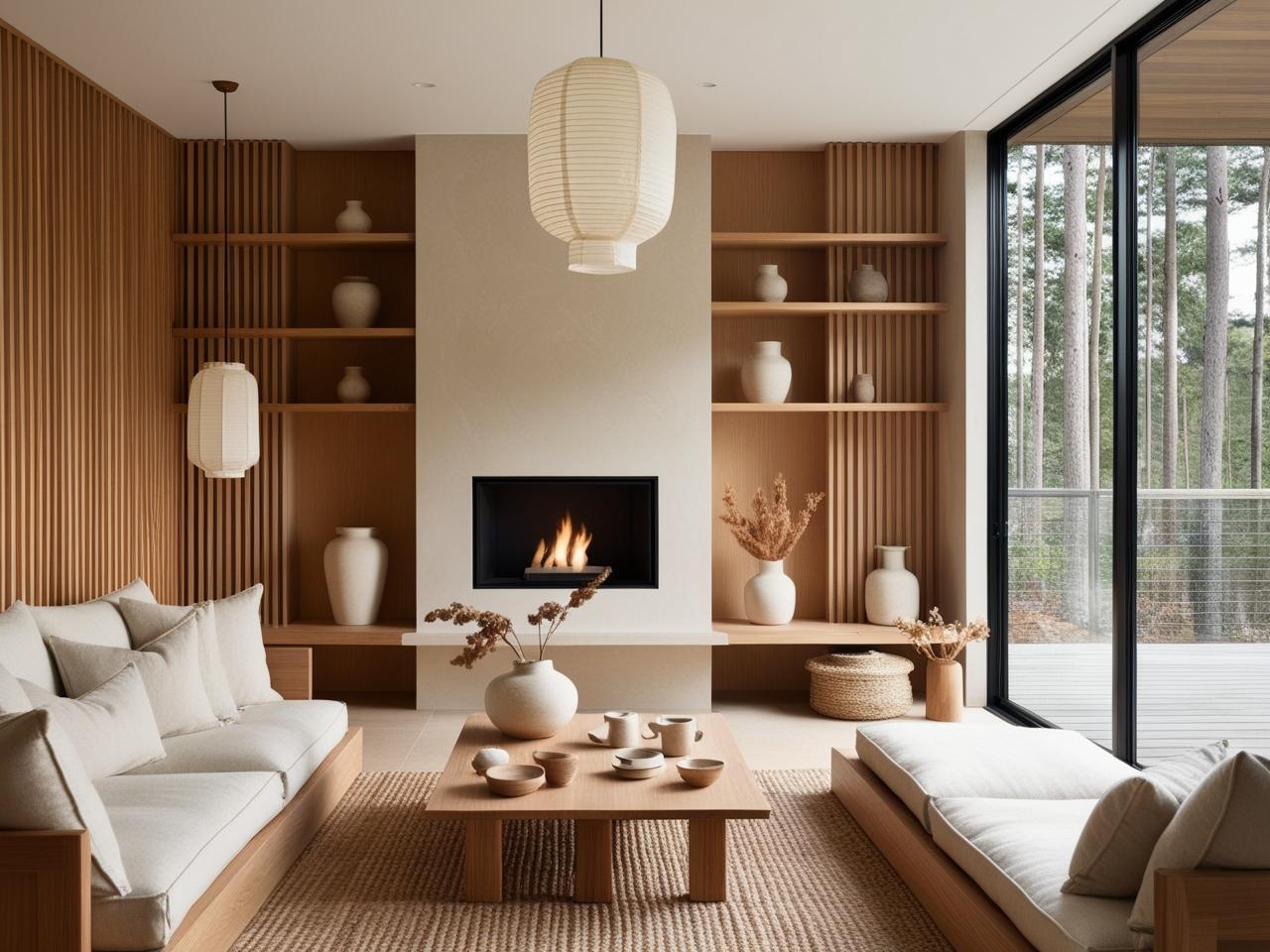
Japandi interiors emphasise the use of natural materials, a nod to the traditional craftsmanship in both Japanese and Scandinavian design. Wood is a dominant material, particularly light-coloured woods like oak, ash, and pine for Scandinavian influences, and darker tones like walnut or cedar for the Japanese side. Stone, bamboo, linen, and cotton are also common, offering an organic texture that brings warmth and a tactile quality to the space.
Neutral and Muted Colour Palette
The Japandi colour scheme is soft, muted, and understated. Neutral tones such as beige, taupe, white, and soft grey form the base, while accent colours often include earthy hues like sage green, clay, or terracotta. These colours help to maintain a sense of serenity while adding warmth to the overall design. Unlike stark, cold minimalism, Japandi’s muted palette exudes cosiness and tranquillity.
Clean Lines with a Focus on Functionality
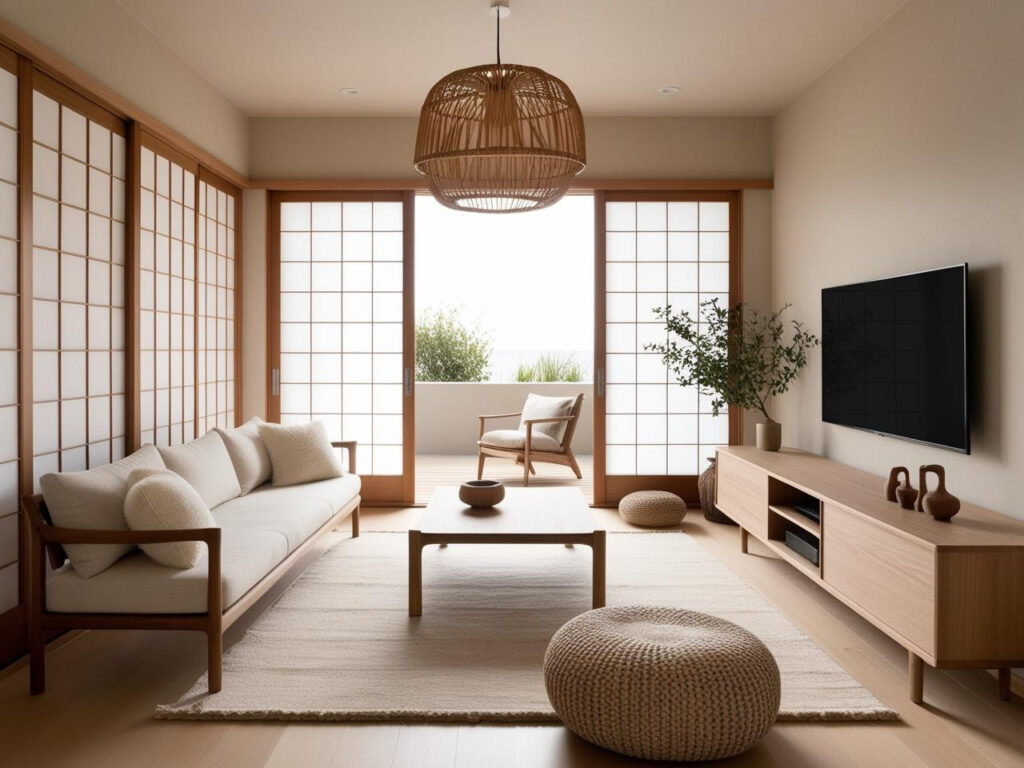
Japandi design embraces clean, simple lines in furniture and decor. It draws from the Japanese concept of “wabi-sabi,” which appreciates the beauty of imperfection, and the Scandinavian focus on practicality and function. Furniture pieces are often low-profile with streamlined forms, emphasising utility over embellishment. The result is an elegant and sophisticated look that’s never overwhelming.
Balance of Warmth and Serenity
One of Japandi’s most notable traits is its balance between the coolness of minimalism and the warmth of rustic, natural elements. Scandinavian design brings a cozy, “hygge” feel, often using soft furnishings, plush rugs, and inviting textures to create warmth. Meanwhile, Japanese design adds a sense of tranquillity with its emphasis on space, negative space, and the harmony between indoor and outdoor elements. This fusion results in a space that feels grounded and peaceful yet welcoming.
Focus on Sustainability and Craftsmanship
Japandi interiors often prioritise sustainability, reflecting a desire to connect with nature and support eco-friendly living. This is seen in the choice of materials and furniture that emphasise durability and quality craftsmanship. The preference for natural, renewable materials like wood and stone, as well as the use of handcrafted items, aligns with a broader movement towards conscious consumption.
Minimalist Decor with Thoughtful Details
While Japandi spaces are minimalist, they are far from stark. Carefully chosen decor pieces such as handmade pottery, woven baskets, and delicate plants like bonsai or bamboo add character to the space. Every object in a Japandi interior serves a purpose, whether functional or aesthetic. These curated details enhance the overall atmosphere of calm and intentionality without overwhelming the senses.
Conclusion
The Japandi interior design style strikes a perfect balance between simplicity and warmth, combining the best of Japanese and Scandinavian design philosophies. It emphasises clean lines, natural materials, and a muted colour palette to create serene, inviting spaces that encourage mindfulness and well-being. Ideal for those who appreciate both minimalism and cosy environments, Japandi is a design style that transforms a home into a sanctuary.