
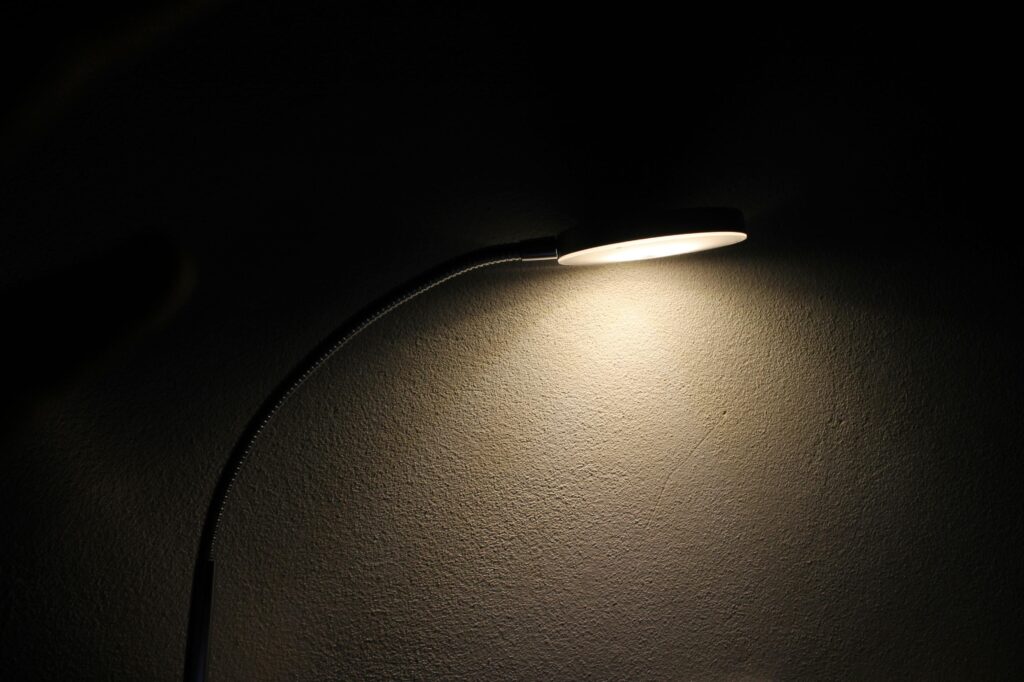
Lighting design is frequently the retired gem that brings an interior space to life. It’s further than just the placement of bulbs or the choice between warm and cool light; it’s the art of creating a mood, enhancing the functionality of a space, and showcasing its beauty. While cabinetwork, colour schemes, and layout snare attention, it’s lighting that ties everything together, transubstantiating a room from ordinary to extraordinary.
The part of Lighting in Interior Design Lighting is pivotal in shaping how a room feels and functions. The right lighting design can make a room feel commodious and welcoming, while poor lighting can affect a confined or cold terrain. By precisely opting the type, placement, and intensity of light institutions, interior contrivers can control the room’s air, setting the tone for relaxation, productivity, or entertainment. For example, living apartments profit from layered lighting – a combination of medium, task, and accentuation lighting. This allows homeowners to produce a cozy atmosphere for watching television or reading, while also pressing artwork or architectural features.
In discrepancy, kitchens demand brighter, task- acquainted lighting that ensures functionality, especially in areas like countertops and islets. Types of Lighting Interior lighting generally falls into three main orders
Ambient Lighting
This is the primary source of light in a room, setting the overall brilliance position. It can be handed by ceiling institutions, adjourned lights, or large chandeliers. The thing about ambient lighting is to give indeed illumination across the space.
Task Lighting
As the name suggests, it is concentrated on specific conditioning similar to reading, cuisine, or working. office lights, under- press lights, and pendant lights are common sources of task lighting, icing enough brilliance for detailed tasks.
Accent Lighting
Accent lighting is the secret armament for creating drama and visual interest in a space. It highlights crucial rudiments similar to artwork, textured walls, or unique architectural features, using limelights or track lighting.
Energy Efficiency and Smart Lighting In ultramodern interior design, sustainability is a growing precedent, and lighting plays a crucial part in energy effectiveness. LED lighting is a popular choice, consuming significantly lower power than traditional incandescent bulbs and lasting much longer. Also, smart lighting systems allow druggies to control brilliance, colour temperature, and indeed lighting schedules via their smartphones, furnishing inflexibility and reducing energy waste.
Conclusion
Lighting design is n’t just about cheering a space, it’s about casting an experience. Whether you are aiming for fineness, warmth, or practicality, thoughtful lighting design ensures that your interior space shines in the stylish possible light.

Inweaver Technologies Pvt. Ltd,
5B, 2nd Floor, 10th Cross, RMV Extension, Sadhashivanagar,
Bangalore 560080. India
support@inweaver.com
Phone +91 63633 87505