
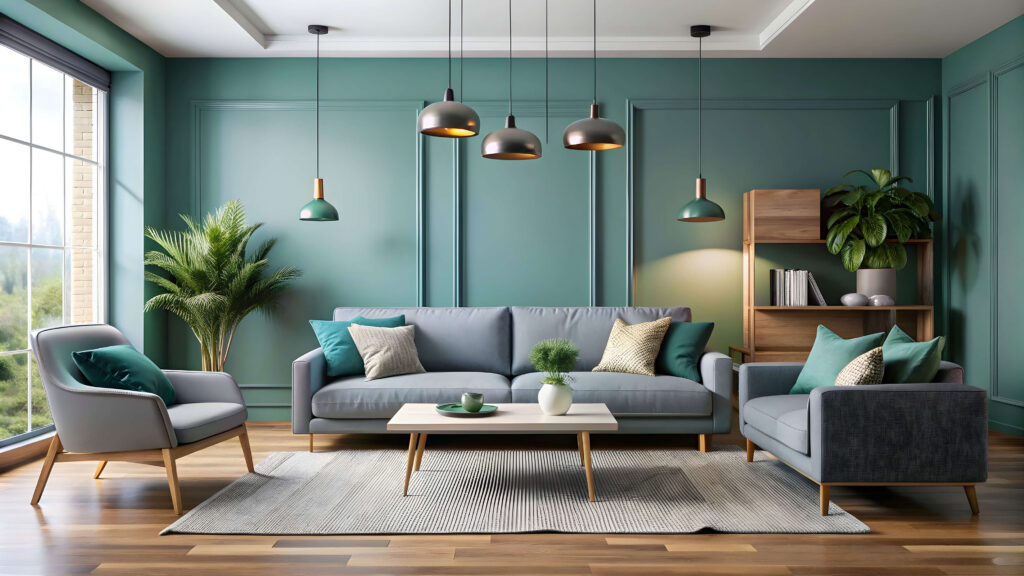
Lighting for Homes or offices creates functionalities as well as aesthetics.. Here are some tips to help guide your lighting design:
Layer Your Lighting
Ambient Lighting: This is the primary source of light in a room, meant to provide overall illumination. Ceiling fixtures, chandeliers, or recessed lights are commonly used for this purpose.
Task Lighting: Focus on areas where specific tasks are performed, like reading, cooking, or working. Desk lamps, under-cabinet lighting in the kitchen, or pendant lights above countertops work well.
Accent Lighting: This highlights specific features, like artwork, architectural elements, or bookshelves. Wall sconces or track lighting are effective choices.
Maximise Natural Light
Use windows, skylights, and glass doors to bring in as much natural light as possible. Reflective surfaces, like mirrors or light-coloured walls, can amplify natural light.
Choose the Right Bulbs
Warm Light (2700K-3000K): Ideal for living rooms, bedrooms, and dining areas, as it creates a cosy, relaxing atmosphere.
Cool Light (3500K-4100K): Great for workspaces like kitchens and home offices, where a more energised, alert environment is needed.
Daylight (5000K-6500K): Mimics natural light and can be useful in basements or areas without windows.
Consider Dimmers
Installing dimmer switches gives you more control over the intensity of light in different spaces, allowing you to adjust the mood of a room easily.
Use Statement Fixtures
A bold chandelier or pendant light can serve as both functional and decorative elements, especially in spaces like dining rooms or entryways.
Focus on Task-Oriented Spaces
In kitchens, bathrooms, and workspaces, ensure you have sufficient task lighting. For example, under-cabinet lighting in kitchens helps illuminate countertops for cooking.
Highlight Focal Points
Use accent lighting to draw attention to architectural details, such as textured walls, artwork, or furniture. LED strip lights under shelves or cabinets can also create a soft glow.
Outdoor Lighting Matters
For exterior spaces like porches, patios, or gardens, incorporate weatherproof fixtures and focus on creating a welcoming atmosphere. Use pathway lights, uplighting for trees, or sconces beside doors.
Balance Light with Space Size
Large rooms may need multiple light sources to avoid shadows or uneven lighting. Small spaces can benefit from minimal, well-placed lighting to prevent clutter and over-lighting.
Think Energy Efficiency
LED lights are energy-efficient, long-lasting, and available in various colour temperatures, making them a versatile choice for any room.
These tips can help you create a thoughtful and functional lighting plan tailored to the specific needs of each room in your home.

Inweaver Technologies Pvt. Ltd,
5B, 2nd Floor, 10th Cross, RMV Extension, Sadhashivanagar,
Bangalore 560080. India
support@inweaver.com
Phone +91 63633 87505