
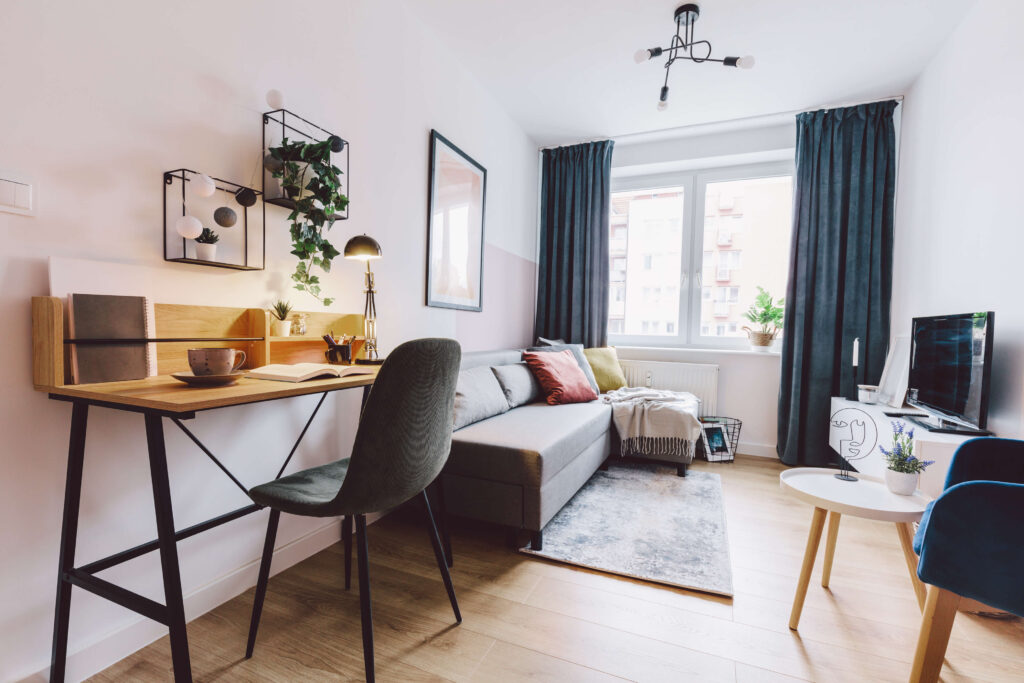
Residential Interior Design Requirement Analysis: A Comprehensive Guide
Introduction
Residential interior design is a multifaceted discipline that goes beyond mere aesthetics; it encompasses functionality, comfort, and the overall lifestyle of the inhabitants. For an interior designer, conducting a thorough requirement analysis is crucial to creating spaces that truly reflect the needs and desires of the clients. This write-up outlines the essential steps involved in a residential interior design requirement analysis.
Client Consultation
The first step in requirement analysis is an in-depth consultation with the client. This involves:
Understanding Lifestyle and Preferences: Engage in discussions about the client’s daily routines, hobbies, and preferences. This helps in tailoring the design to suit their lifestyle.
Budget Consideration: Establishing a clear budget allows the designer to propose possible design solutions and prioritise areas that require investment.
Timeline: Discussing the expected timeline for the project helps in planning phases and managing expectations.
Space Evaluation
Conducting a detailed evaluation of the existing space is essential. This includes:
Site Visits: Visiting the residence to understand the spatial dynamics, lighting conditions, and architectural features.
Measurements: Accurately measuring dimensions, door and window placements, and existing furniture to create a precise layout plan.
Functional Analysis: Assessing how the current layout meets the needs of the inhabitants and identifying areas for improvement.
Defining Goals and Objectives
Once the consultation and space evaluation are complete, it’s time to define specific design goals:
Functional Needs: Identify essential functions each room must serve (e.g., workspace in a bedroom, play area in a living room).
Aesthetic Vision: Discuss styles, colours, and materials that resonate with the client’s vision. This could range from modern minimalism to rustic charm.
Sustainability Considerations: If relevant, explore options for eco-friendly materials and energy-efficient solutions that align with the client’s values.
Developing a Design Concept
With clear goals in mind, the designer can start crafting a design concept that encompasses:
Mood Boards: Create visual representations of colour schemes, textures, and materials to give the client a tangible sense of the proposed design.
Floor Plans: Draft preliminary layouts to illustrate furniture placement, flow, and functionality.
3D Renderings: Use digital tools to provide a realistic visualisation of the proposed design, helping clients better understand the final outcome.
Client Feedback and Iteration
Once initial concepts are presented, soliciting client feedback is crucial:
Review Meetings: Schedule sessions to discuss the proposed designs and make necessary adjustments based on the client’s input.
Flexibility: Be prepared to pivot and refine ideas, ensuring the final design aligns with the client’s vision while remaining practical.
Finalising the Design
After incorporating feedback, the design can be finalised:
Detailed Specifications: Create a comprehensive list of materials, finishes, furniture, and decor elements, along with sourcing information and costs.
Project Timeline: Develop a detailed timeline for implementation, including key milestones for various stages of the project.
Conclusion
Conducting a thorough requirement analysis is the backbone of successful residential interior design. By understanding the client’s needs, evaluating the space, and iterating on design concepts, an interior designer can create a harmonious living environment that reflects the client’s personality and enhances their quality of life. This analytical approach not only fosters strong client relationships but also ensures a seamless design process from conception to execution.

Inweaver Technologies Pvt. Ltd,
5B, 2nd Floor, 10th Cross, RMV Extension, Sadhashivanagar,
Bangalore 560080. India
support@inweaver.com
Phone +91 63633 87505