
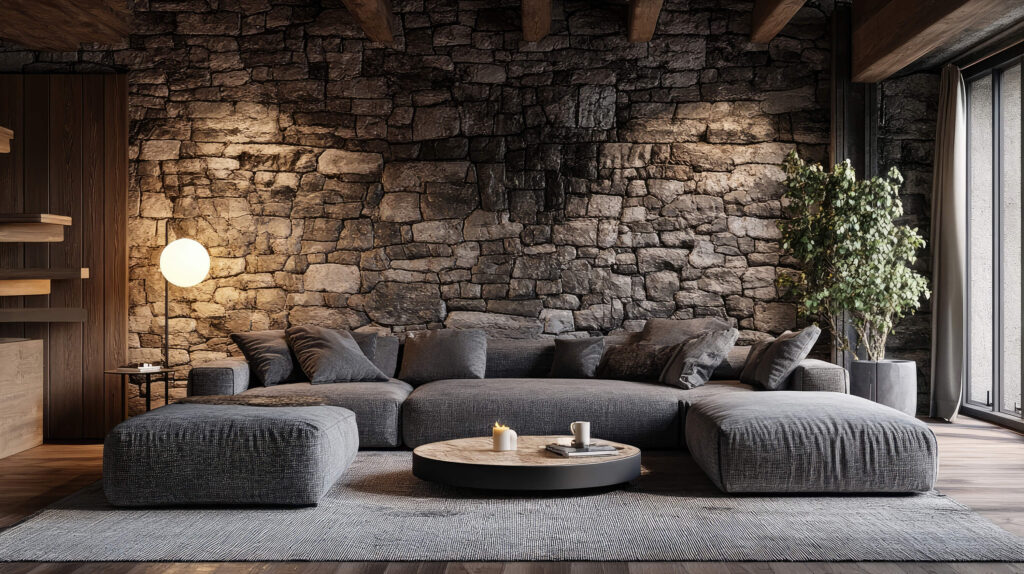
When designing a home, it’s important to plan for flexibility to accommodate future lifestyle changes, family growth, and evolving needs. A well-thought-out, adaptable design ensures that the space remains functional, aesthetically pleasing, and comfortable for years to come. Here’s how to plan flexibility into residential interior design:
Open Floor Plans
Why it works: Open layouts allow for easy reconfiguration of spaces as needs change. Large, multipurpose areas can evolve into living, dining, or workspaces without needing structural alterations.
How to implement: Design fewer permanent walls between living spaces. Instead, use furniture, rugs, or movable partitions to define different zones, allowing the space to be reconfigured later.
Modular Furniture
Why it works: Modular furniture can be rearranged or reassembled to suit new purposes, making it an excellent choice for flexibility.
How to implement: Choose furniture like sectional sofas, stackable chairs, and expandable dining tables. These pieces can be adapted to fit different room layouts or expanded for guests and gatherings.
Multi-Functional Spaces
Why it works: Spaces that serve more than one purpose maximise functionality and can change roles over time, especially as family needs evolve.
How to implement: Design rooms that can easily shift functions, such as a home office that can double as a guest bedroom or a playroom that can later transition into a teen hangout area. Use furniture that can convert, like Murphy beds or desks with fold-away features.
Flexible Room Dividers
Why it works: Movable partitions or dividers allow homeowners to change the layout of their space without major renovations.
How to implement: Use sliding doors, curtains, or folding screens to create privacy or separate rooms when needed. This can allow a large room to function as both a workspace and a living area or convert into smaller, intimate spaces for different uses.
Future-Proofing with Infrastructure
Why it works: Designing with an eye on future technology and structural changes prevents costly renovations.
How to implement: Plan for electrical, plumbing, and ventilation systems that can support future upgrades. Install more electrical outlets than you think you’ll need, and consider installing conduit for easy future wiring changes. In the kitchen or bathroom, leave space for potential upgrades like additional appliances or fixtures.
Designing with Multi-Generational Living in Mind
Why it works: Families often grow or change with the addition of elderly parents, new children, or teenagers needing more personal space.
How to implement: Design flexible bedroom spaces that can accommodate different needs, such as rooms that can later be converted into a nursery, home office, or guest room. Also, plan for accessibility by including wide doorways, lever handles, and lower countertops, ensuring the home remains livable as occupants age.
Storage Flexibility
Why it works: Storage needs evolve over time, from growing children’s belongings to hobby collections or work-from-home necessities.
How to implement: Include adaptable storage solutions like adjustable shelving, modular cabinetry, or built-in closets with customisable components. This will allow you to increase or decrease storage space depending on changing needs.
Use of Neutral Colour Palettes and Timeless Materials
Why it works: Design choices with staying power ensure that spaces remain visually appealing even as tastes and trends change.
How to implement: Choose timeless, neutral colour schemes and durable materials like wood, stone, and high-quality fabrics. These provide a versatile backdrop that can be easily refreshed with accent pieces or accessories without requiring major renovations.
Movable Lighting and Fixtures
Why it works: Adjustable and flexible lighting schemes help a room adapt to new uses without the need for rewiring.
How to implement: Use track lighting, floor lamps, or plug-in sconces that can be moved around as the room’s layout or function changes. Install dimmers and smart lighting systems for more adaptable light control depending on the room’s current purpose.
Design for Expansions
Why it works: Sometimes, future flexibility means expanding your home to accommodate more people or new spaces.
How to implement: In your initial design, consider leaving space for future extensions, whether it’s adding another bedroom, expanding the kitchen, or creating a new living area. Structurally, consider adding knock-out walls or areas where expansion can happen without major renovations.
Temporary or Interchangeable Design Elements
Why it works: Items that are easy to replace or change can refresh a room without significant cost or time.
How to implement: Use interchangeable décor elements like removable wallpaper, peel-and-stick tiles, or slipcovers for furniture. This makes it simple to update a room’s look without a full remodel.
Adaptable Outdoor Spaces
Why it works: Outdoor areas can serve multiple purposes, from relaxation spaces to entertainment zones, as needs change.
How to implement: Design flexible outdoor spaces with movable furniture, modular decking, or pergolas that can accommodate different uses. This way, a backyard can transition from a play area for kids to a dining space or garden in the future.
Consider Convertible Rooms
Why it works: Some rooms can be designed to change function altogether as family dynamics evolve.
How to implement: Plan spaces like a garage that can be converted into a home office, gym, or additional living area. Similarly, a basement can be designed for storage now but can later become a living space or home theatre.
Built-in Future Technology Provisions
Why it works: Homes increasingly rely on technology, and planning for future smart home integrations ensures ease of upgrades.
How to implement: Pre-wire the home for smart home systems, including lighting, security, and entertainment. Installing technology ports or hidden wiring conduits can help homeowners easily integrate the latest systems in the future.

Inweaver Technologies Pvt. Ltd,
5B, 2nd Floor, 10th Cross, RMV Extension, Sadhashivanagar,
Bangalore 560080. India
support@inweaver.com
Phone +91 63633 87505